The New York City Ballet Costume Shop
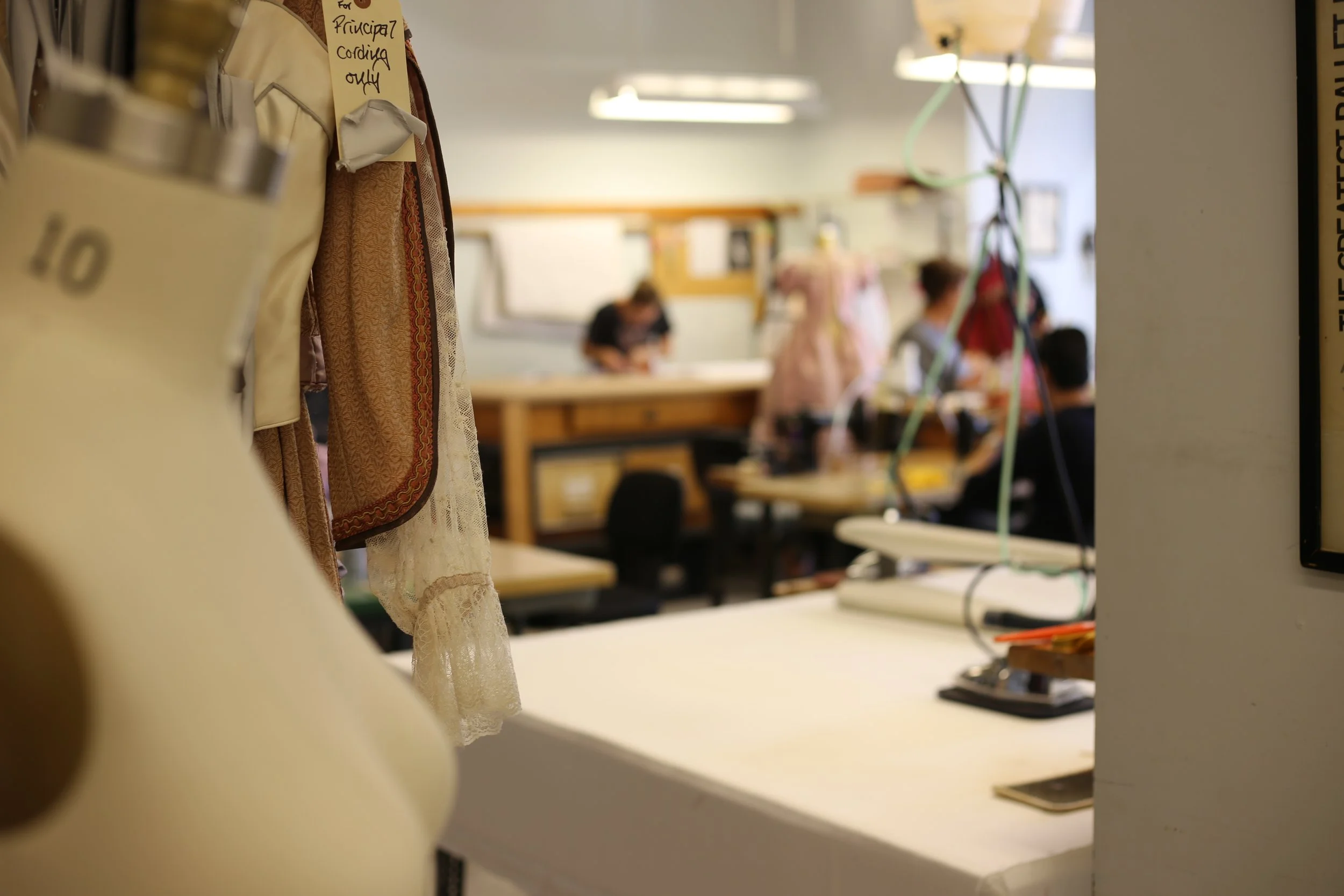
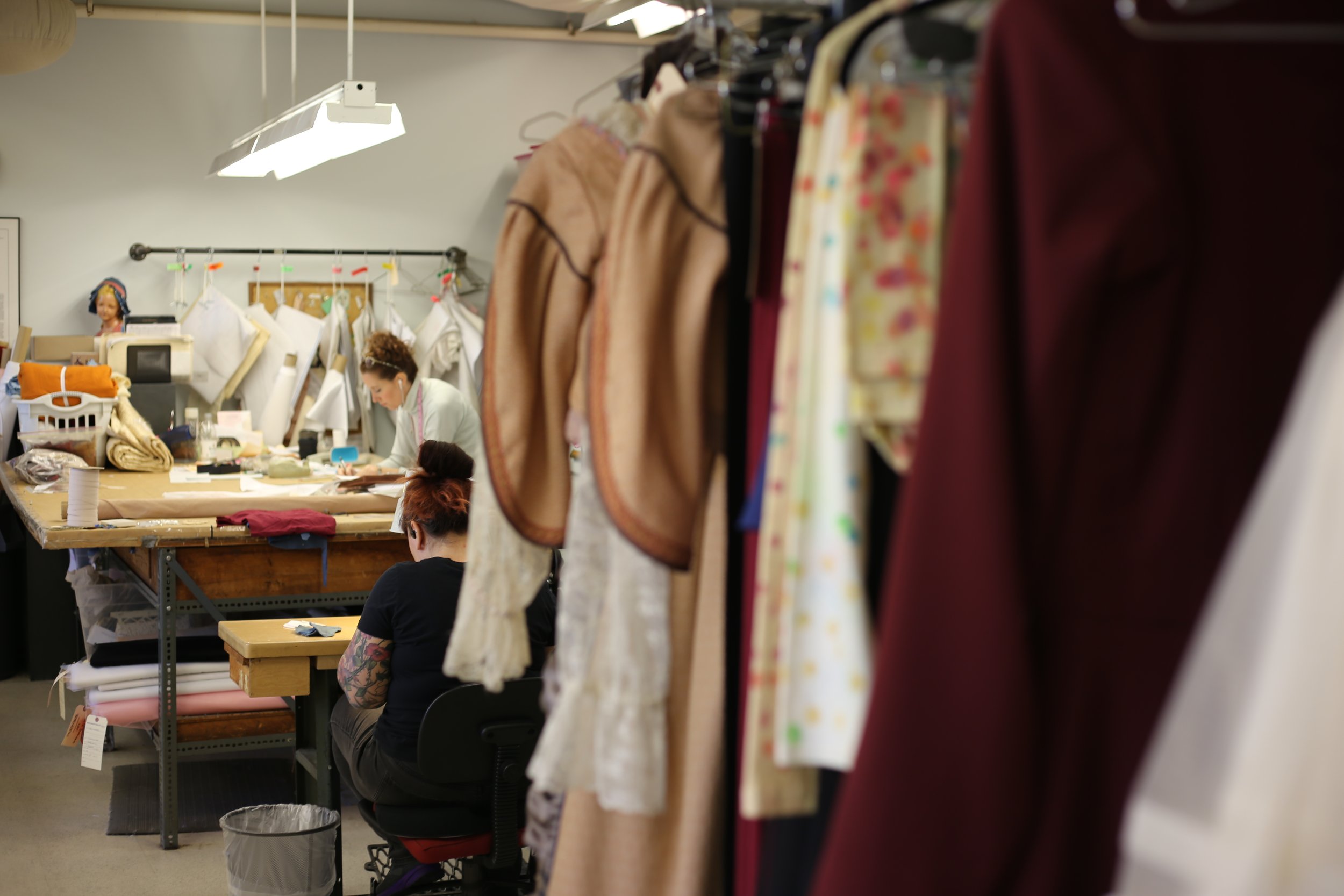
Nestled away on the 7th floor of the Rose Building at 70 Lincoln Center Plaza, the New York City Ballet costume shop felt like a well-kept secret in the bustling heart of Manhattan. Whenever the shop directors sent requests for maintenance projects, I seized the chance to escape my office in the underground “bunker” below David Geffen Hall.
To reach that enchanting world, I stepped past the Metropolitan Opera stage door, where, down in the staff cafe, Eddie and Francesco crafted the best bacon, egg, and cheese sandwiches, perfectly paired with a crispy hash brown nestled on a toasted English muffin. As I made my way toward the Elinor Bunin Munroe Film Center, daylight often spilled into the corridor, lighting my way. I liked to pause on the President’s Bridge and snatch a small moment for reflection amidst the chaos. From that elevated perch, I took in the campus views, letting the pulse of the city surround me. Then I’d take the elevator to the 7th floor.
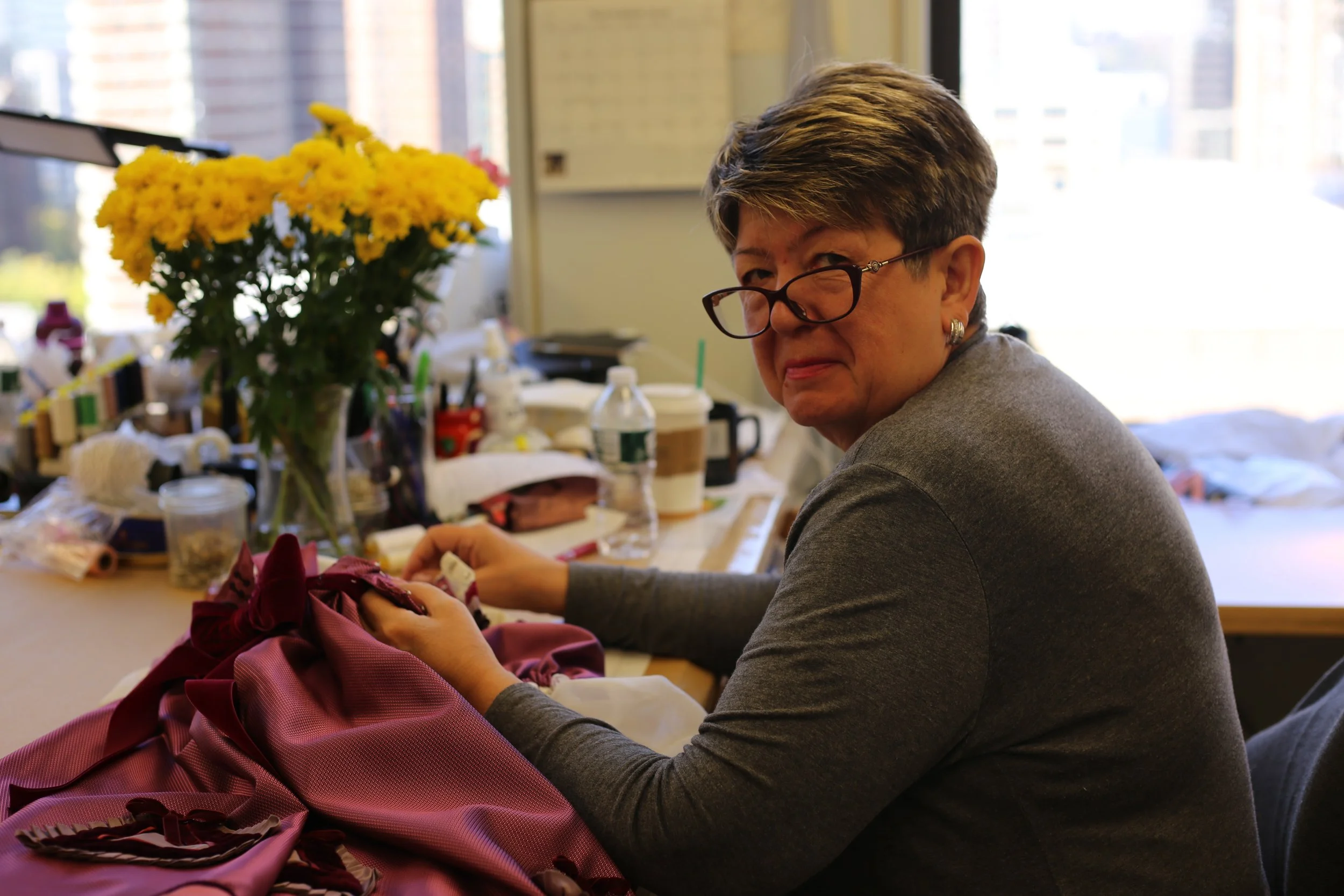
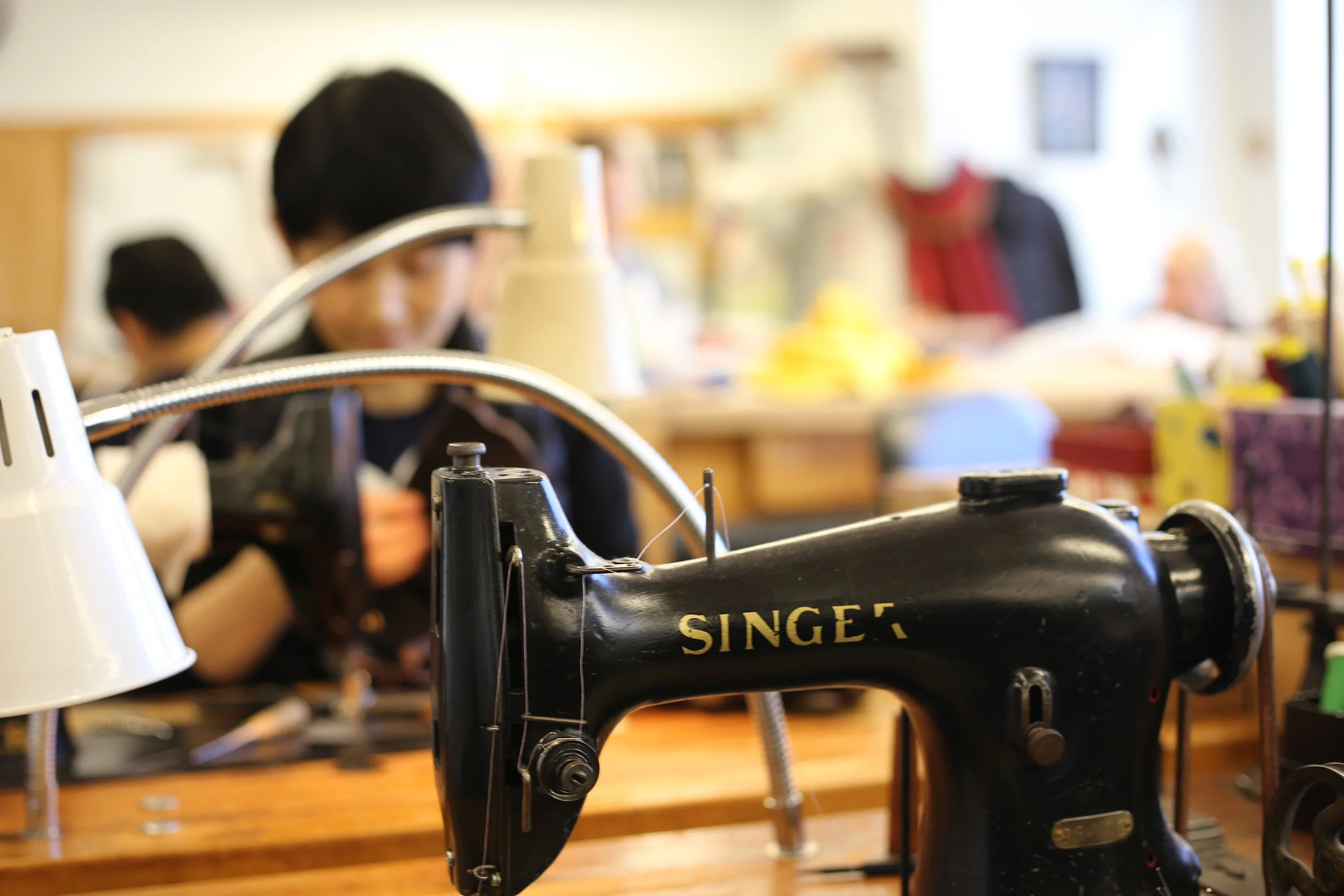
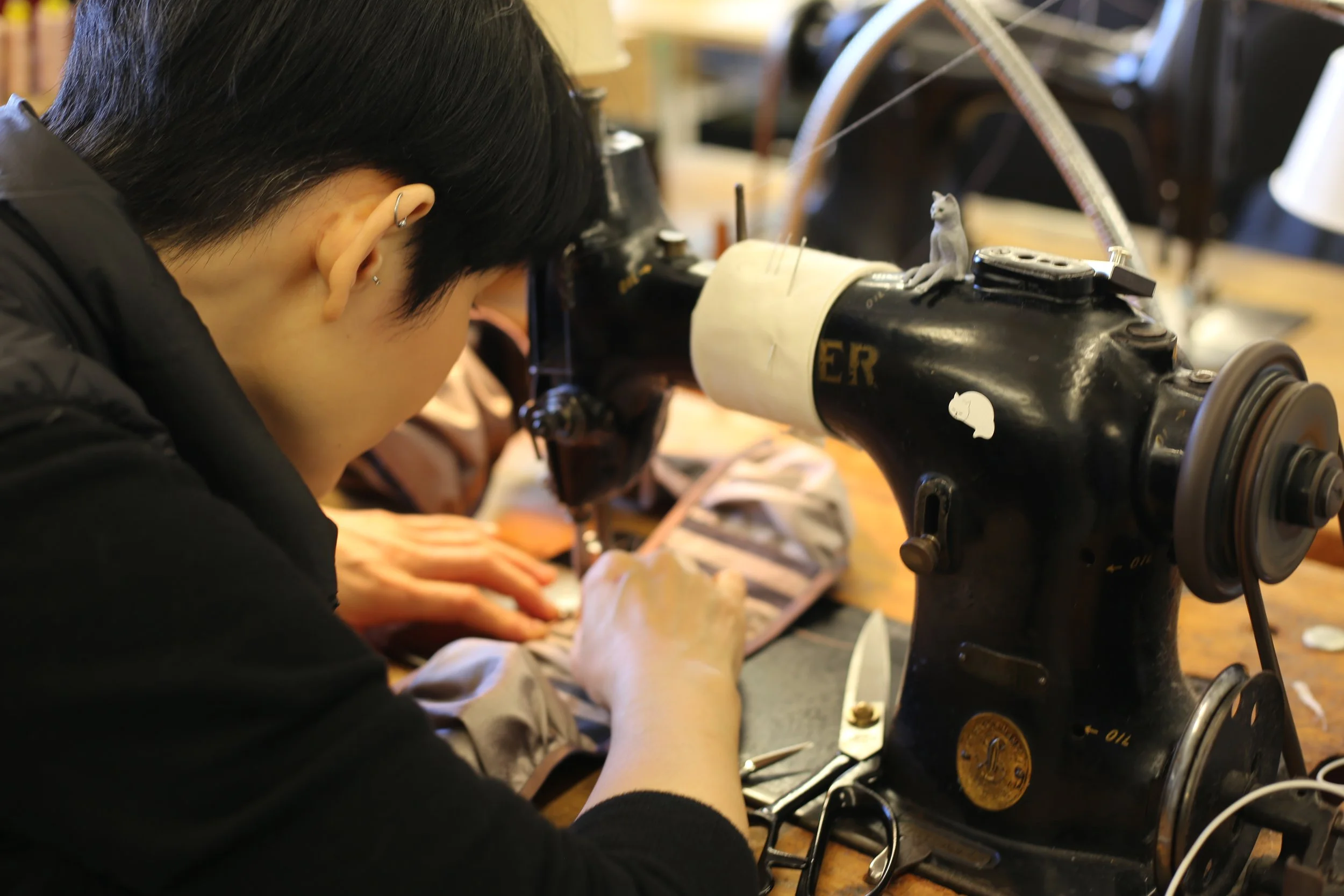
When I first stepped into the NYCB costume shop, it felt like I had discovered a hidden realm steeped in hushed focus and quiet dedication, its only sounds the rhythmic hum of Singer sewing machines and the soft rustle of drapery. As I entered, the workers’ eyes would catch mine then refocus on their tasks, working meticulously to turn abstract ideas into tangible expressions of beauty.
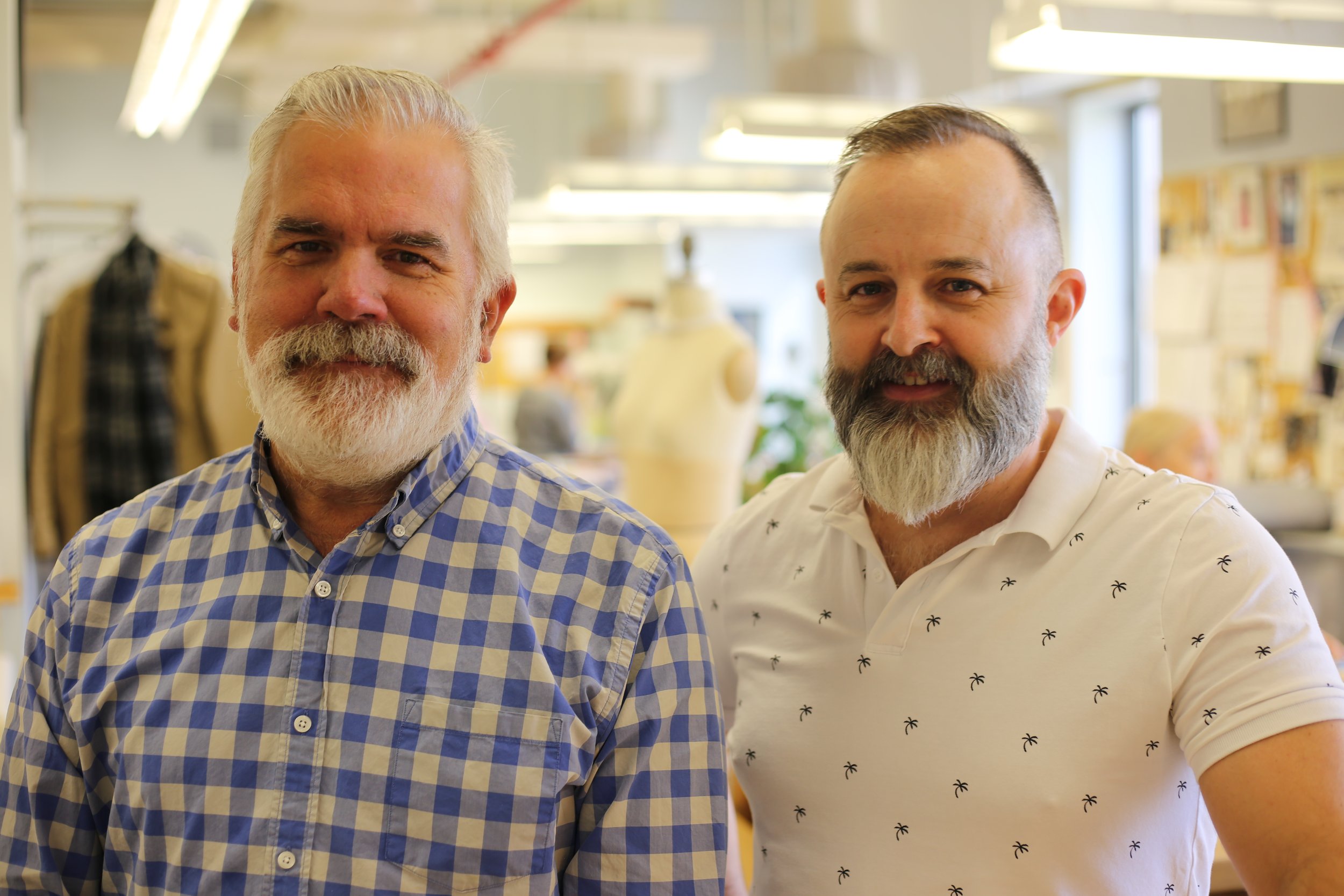
Costume Shop Directors Mark and Jason would approach me with playful grins, their arms crossed in front of their chests, reminiscent of mischievous schoolboys summoned to the headmaster's office. Much like other constituents in the building, they often hesitated to voice their specific requests, whether it was for new clothing racks or adjustments to the pulley systems they used to manage their costumes.
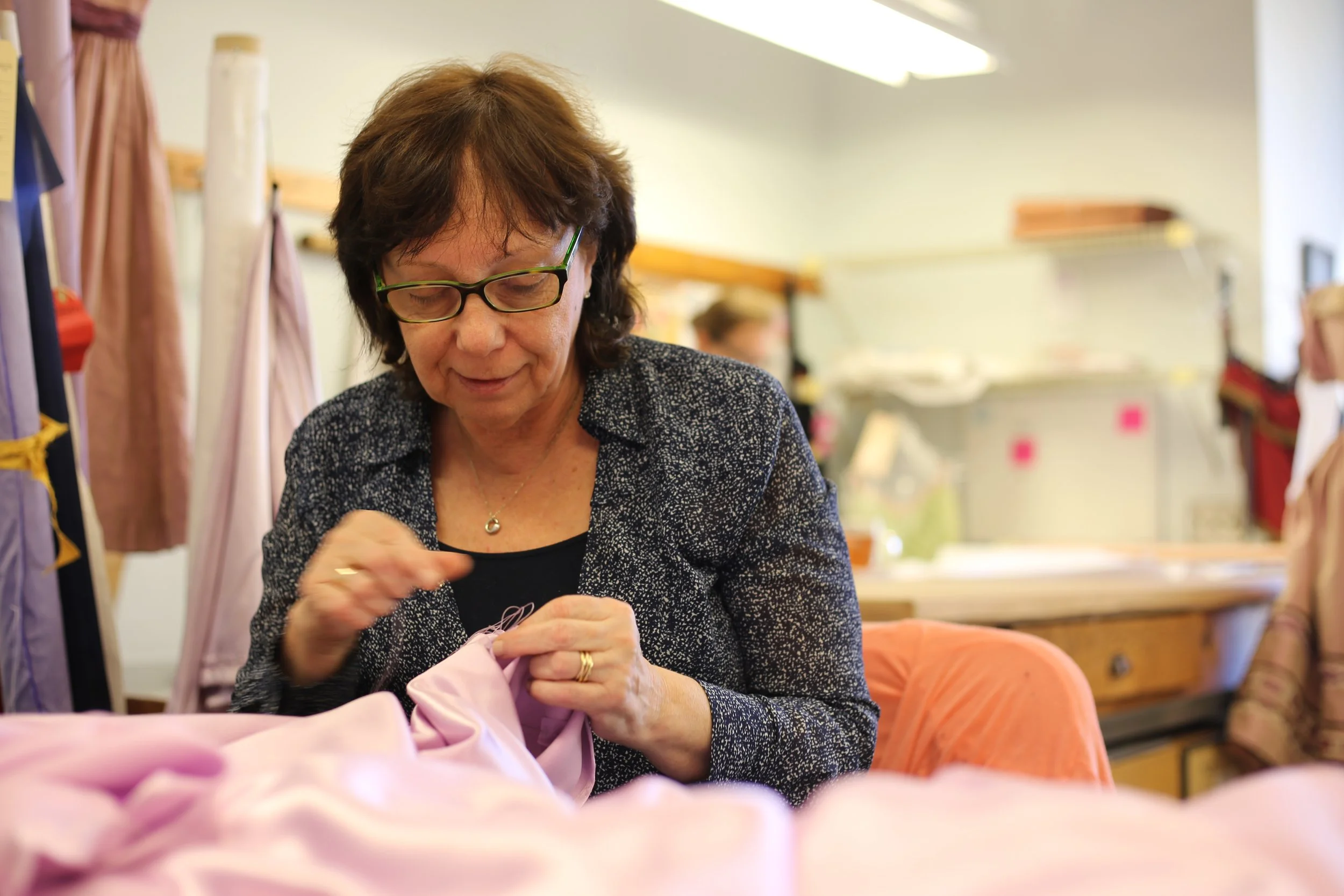
During these meetings, whenever I spoke, my English accent raised eyebrows. Many of the women would smirk and mumble in Russian to one another while smiling in my direction.
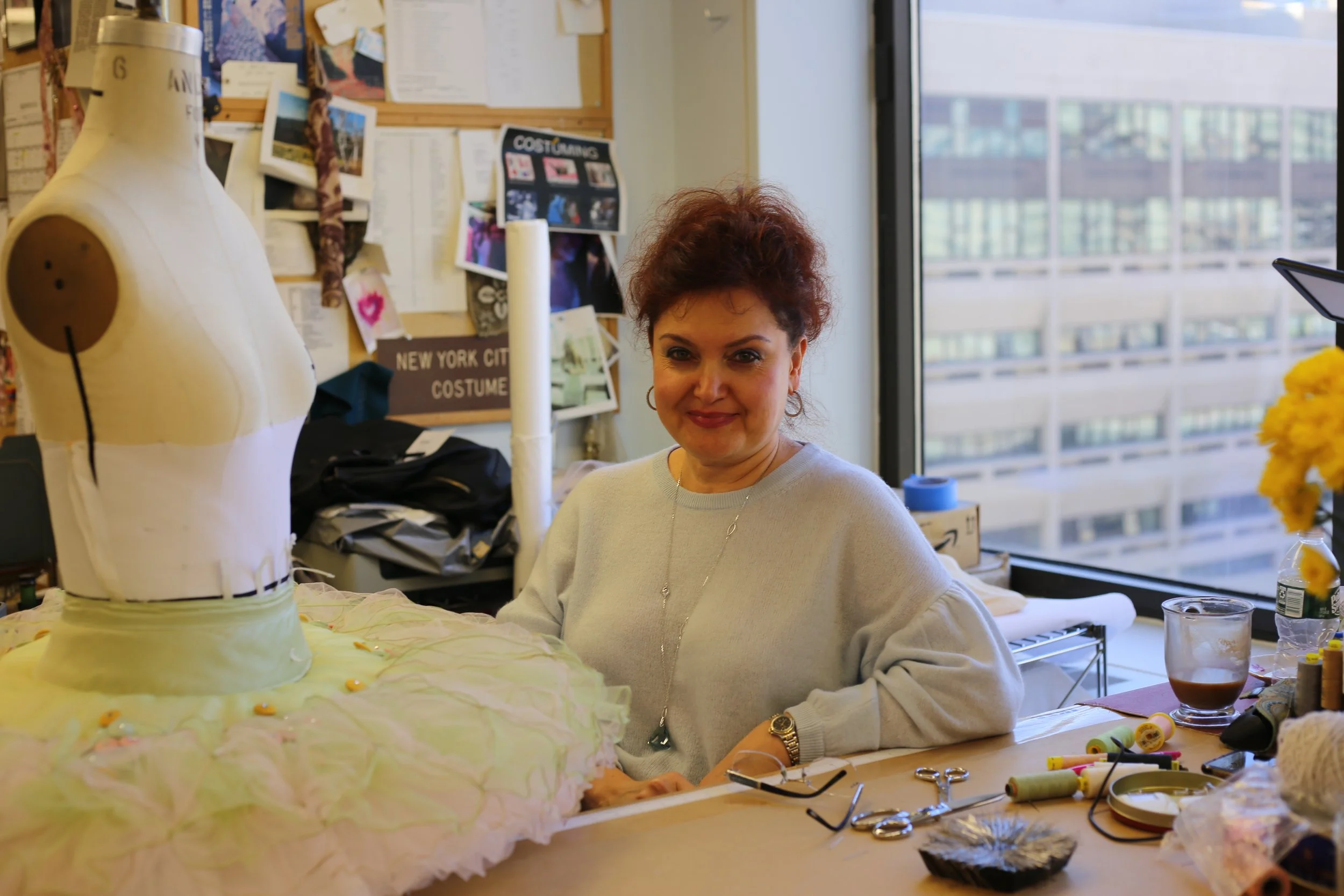
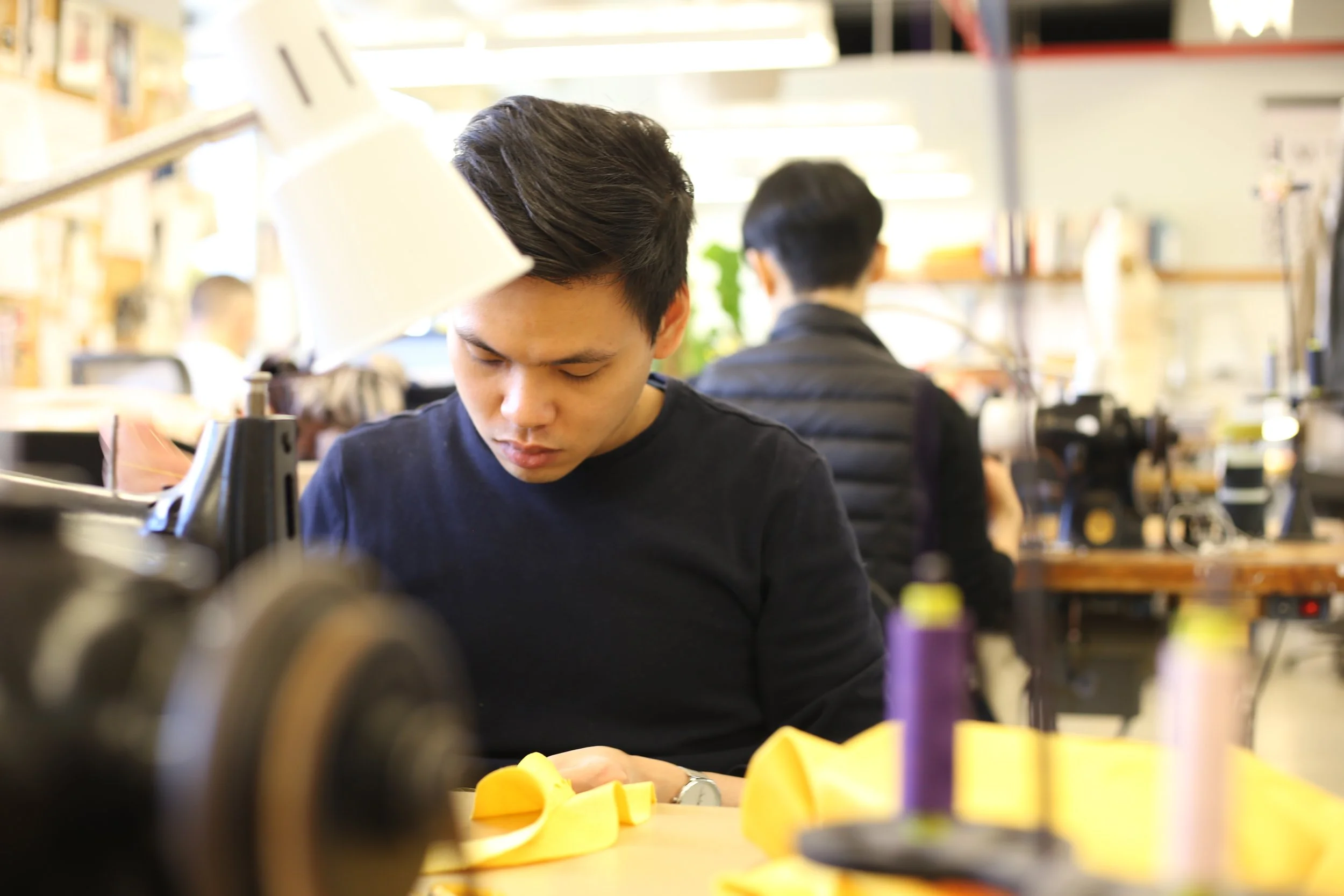
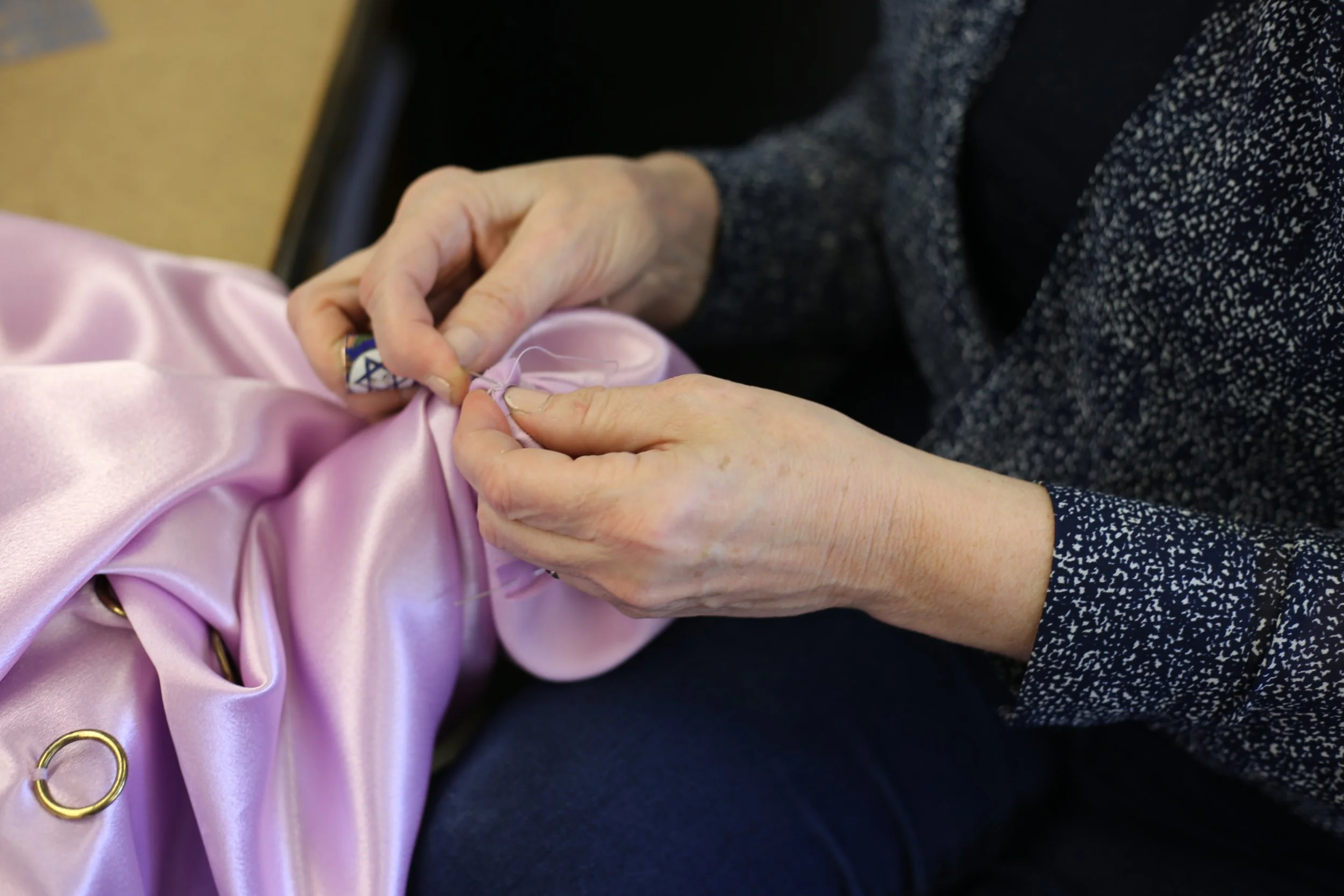
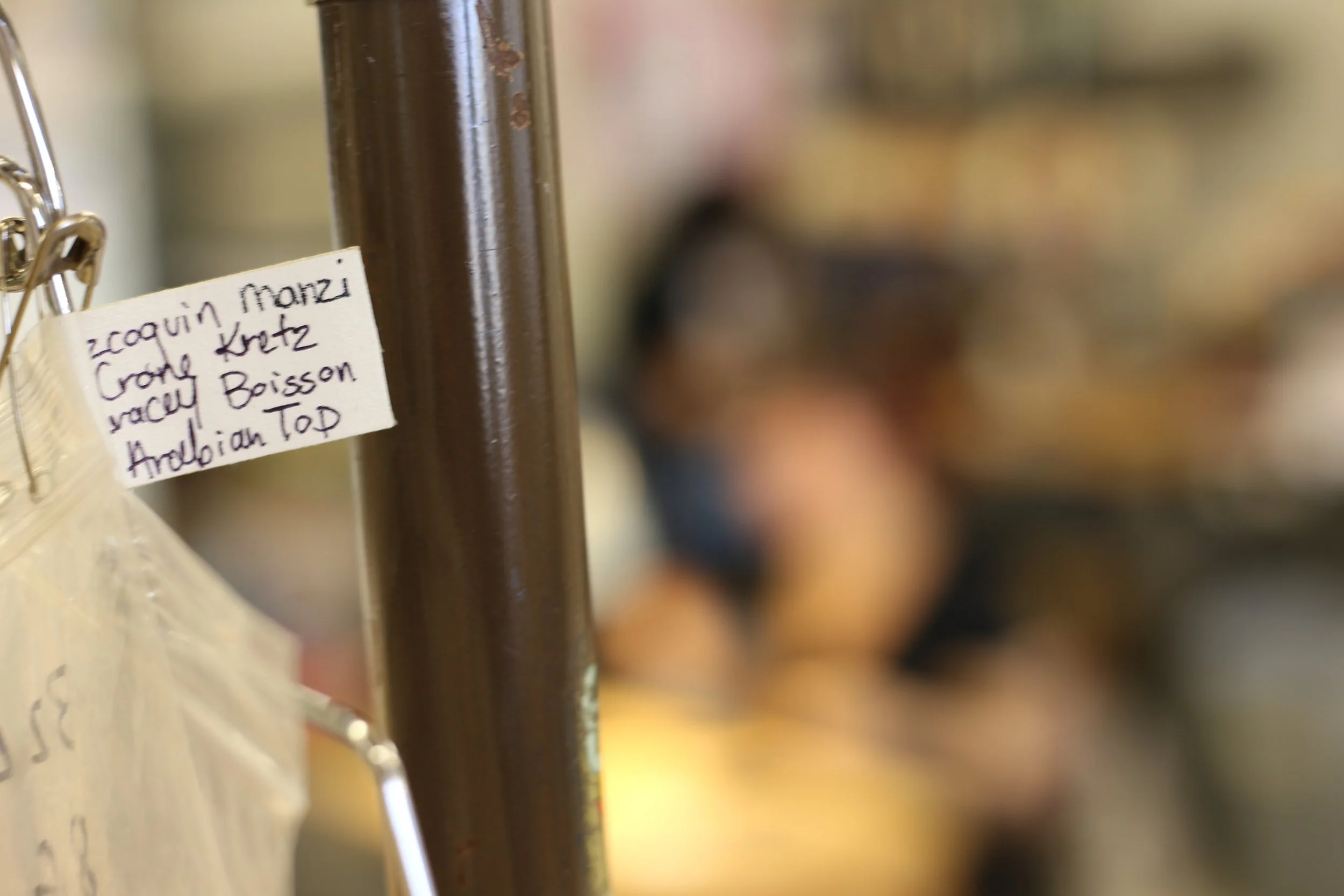
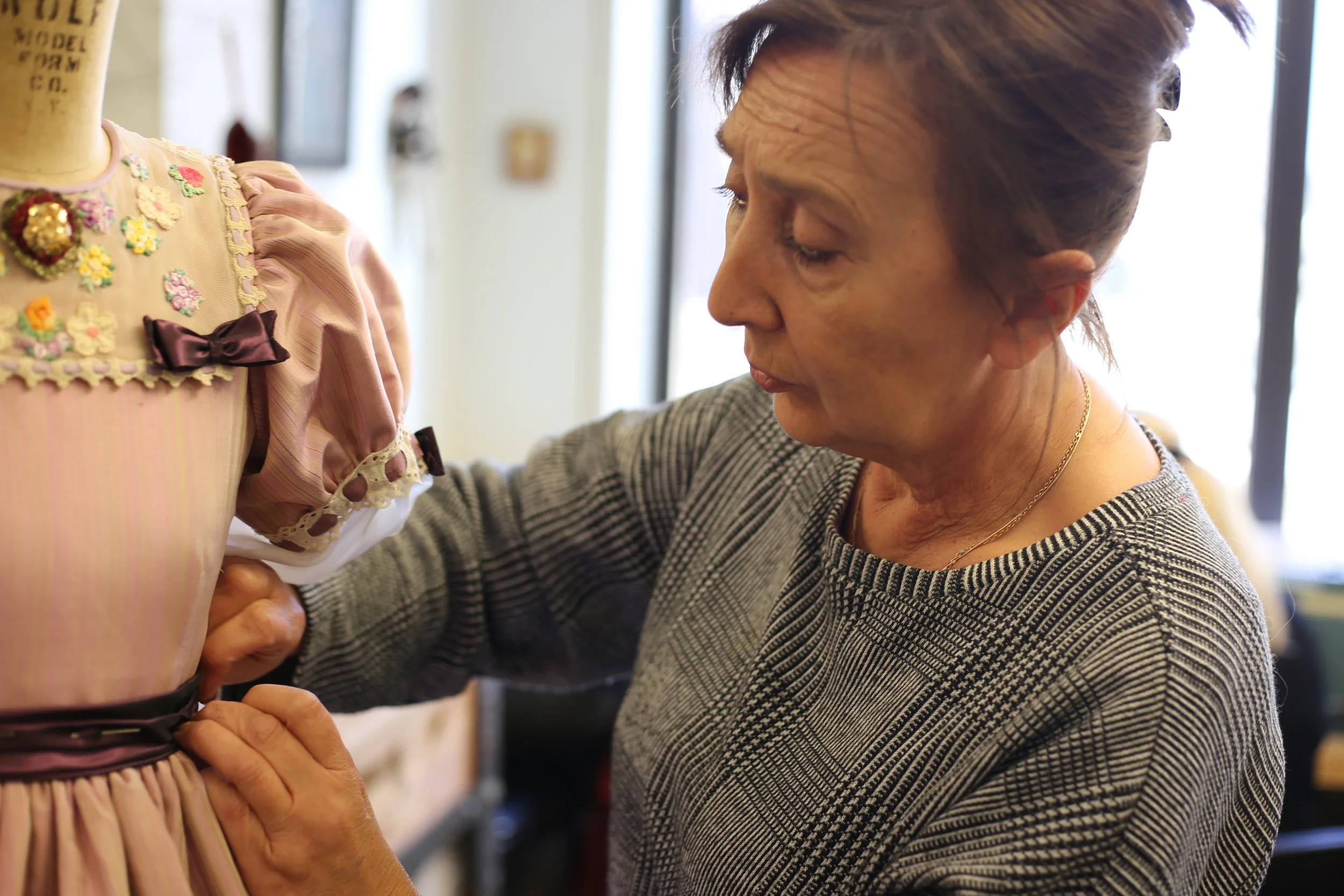
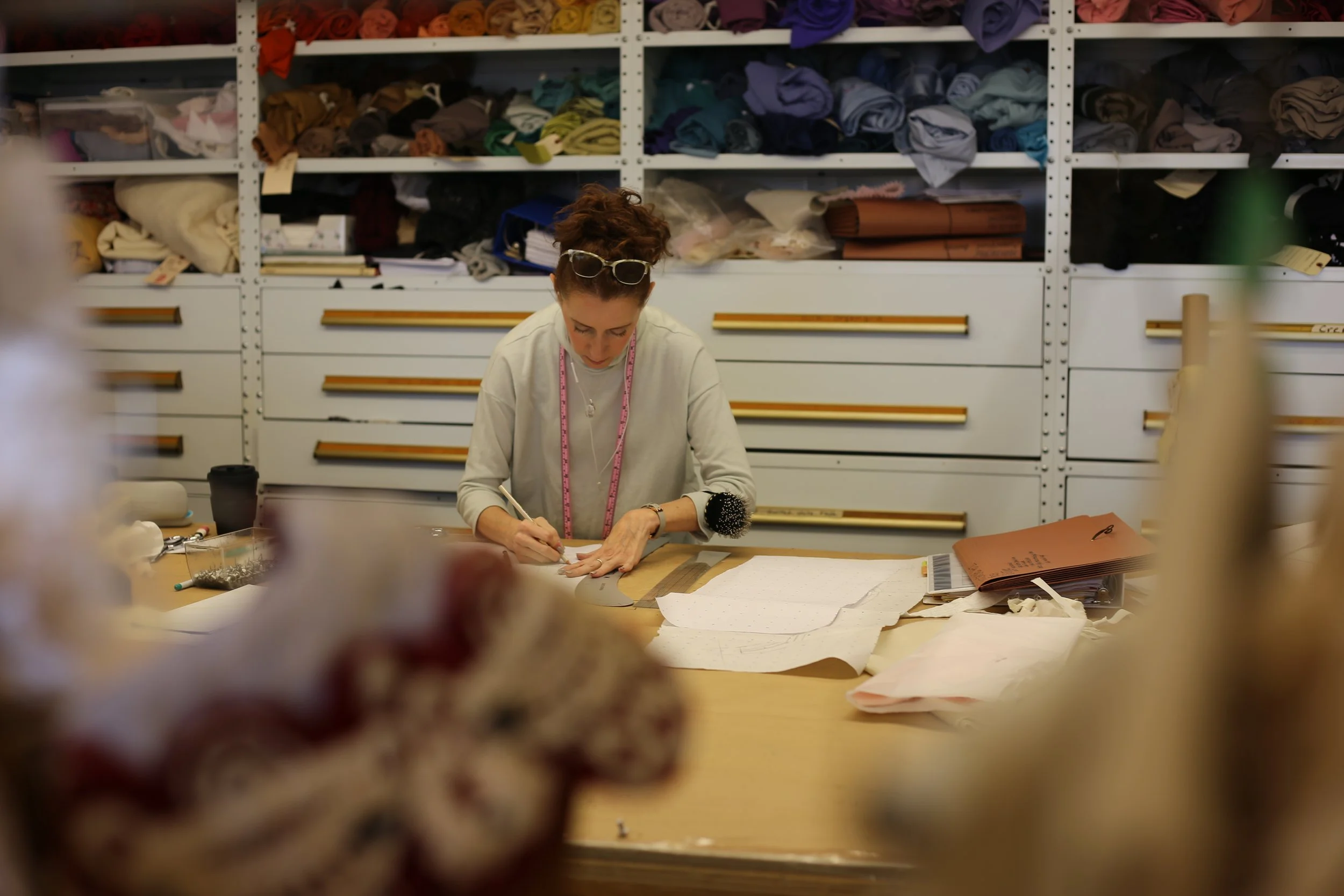
Stepping into the Costume Shop felt like being granted a backstage pass to the ballet's secret heart. Principal garments were tagged and personalized with notes on dimensions, size, weight capacity, and fitting dates. I was lucky to witness the process—the sketching, cutting, and sewing that transforms fabric into a dancer's second skin. It was a stark reminder that the illusion of effortless art on stage always begins in a room of meticulous, beautiful work.